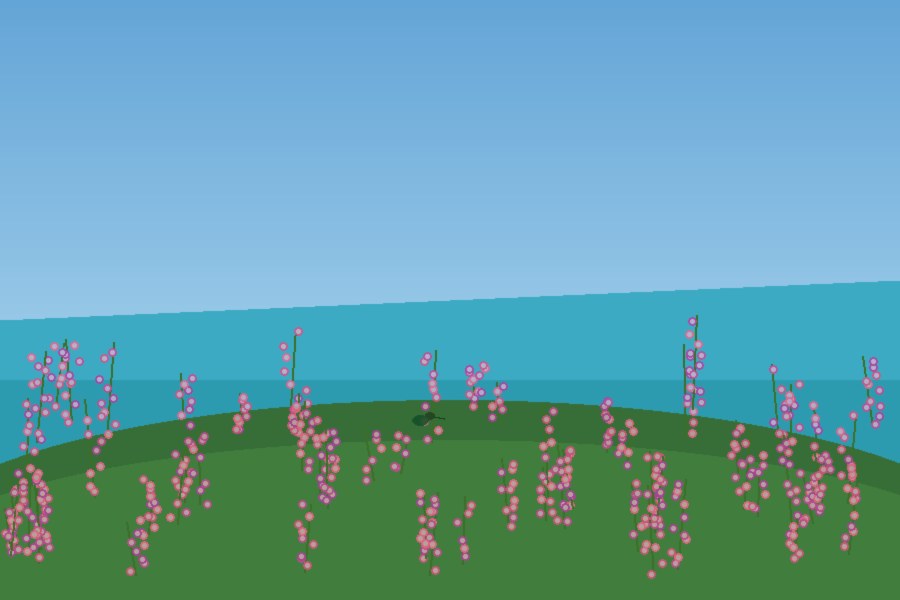
While the West Coast's famous spring wildflower spectacle peaks between July and September, March brings its own quieter magic to the fynbos. As the long summer days begin to shorten and the first hints of autumn moisture return to the air, a fresh wave of bulbs, restios and flowering shrubs comes to life across the coastal heathlands around Langebaan and the West Coast National Park.
Fynbos — from the Afrikaans fijn bosch, meaning "fine bush" — is one of the world's six floral kingdoms and is found almost nowhere else on Earth. The coastal strip between Langebaan Lagoon and the Strandveld beyond the dune line is a particularly rich pocket, where shallow sandy soils and the Atlantic sea breeze create ideal conditions for a remarkable diversity of small bulbous plants. March rewards those who look closely.
🌼 What's Blooming in March
Lachenalia (Cape Cowslip / Viooltjie)
Lachenalia are among the most charming of the Cape's autumn bulbs, sending up drooping tubular flowers in shades of yellow, orange, red and lilac just as the first autumn rains soften the soil. Along the roadsides and coastal fynbos near Langebaan, Lachenalia bulbifera — with its vivid orange and yellow pendulous bells — is one of the earliest to appear in late summer and early autumn. Look for them in rocky, sandy patches and disturbed areas where they can push through with minimal competition.
Oxalis (Wood Sorrel / Suring)
Oxalis is impossible to miss on the West Coast — the cheerful yellow flowers of Oxalis pes-caprae (Cape sorrel) carpet roadsides and disturbed ground in their millions. But the fynbos also hosts far more refined relatives: the delicate pink-flowered Oxalis purpurea and the white-bloomed Oxalis luteola, which open in the warm afternoon sun and close by late afternoon. The sheer variety of Oxalis on the West Coast — over 50 species occur in this region — means a sharp-eyed botanist can find something new on almost every walk in March.
Romulea (Froetang / Cape Crocus)
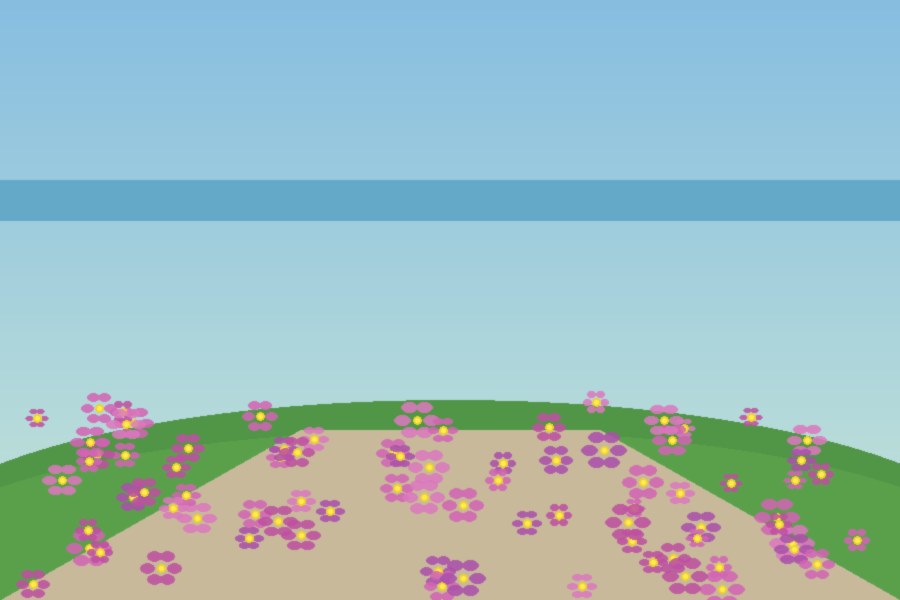
These small, star-shaped flowers are a highlight of the post-summer period. Opening only in direct sunshine and closing at the first hint of cloud, Romulea species reward patient observers. Romulea rosea — a diminutive pink-purple flower no bigger than a thumbnail — carpets sandy flats and coastal margins in extraordinary numbers. Romulea flava adds splashes of bright yellow in the same habitat. Both species are best photographed on still, sunny mornings when the flowers are fully open.
Watsonia (Suurkanol / Bugle Lily)
The tall sword-leaved stems of Watsonia are among the most striking plants on the post-fire fynbos. Watsonia borbonica, with its elegant spikes of pink to mauve trumpet flowers, blooms prolifically after summer fires, and March sees the tail end of its season in the wetter areas of the West Coast National Park interior. Where stands of watsonia remain, they draw sunbirds — especially the Malachite and Orange-breasted Sunbird — to probe their long tubular flowers for nectar, making them excellent for combined flower-and-wildlife photography.
Ericas (Heath / Heide)
The Cape Floristic Region is home to over 860 species of Erica — more than the entire rest of the world combined. In March, the heathlands east of Langebaan and in the West Coast National Park's Postberg section offer a succession of heath blooms in white, pink, red and mauve. Erica mammosa (nine-pin heath) stands out with its distinctive cylindrical red flowers arranged in clusters. Erica plukenetii produces masses of pendulous pink-red bells. These small-flowered shrubs form the dense, fragrant backbone of the fynbos, and their nectar sustains sunbirds and insects well into autumn.
Proteas
The iconic Protea family — which gives the Cape Floristic Region much of its visual grandeur — peaks earlier in winter but many species continue well into autumn. The Sugar Bush (Protea repens) is a common sight along the fynbos ridgelines east of Langebaan, its creamy white to pink flower heads still producing nectar into March. The Pincushion Proteas (Leucospermum species) with their stunning orange and red "pincushion" flower heads are a particular highlight — look for them on higher, rocky fynbos slopes in the national park.
📋 March Fynbos Bloom Calendar
| Species | Colour | Habitat | March Status |
|---|---|---|---|
| Lachenalia bulbifera | Orange, yellow | Sandy fynbos, roadsides | Peak bloom ✅ |
| Oxalis pes-caprae | Yellow | Roadsides, disturbed ground | Carpeting ✅ |
| Oxalis purpurea | Pink, lilac, white | Sandy flats, fynbos margins | Coming into bloom ✅ |
| Romulea rosea | Pink-purple | Coastal sand, flats | Peak bloom ✅ |
| Romulea flava | Yellow | Sandy flats | In bloom ✅ |
| Watsonia borbonica | Pink to mauve | Post-fire fynbos, moist areas | Late season 🌅 |
| Erica mammosa | Red, pink | Heathland, sandstone slopes | In bloom ✅ |
| Erica plukenetii | Pink-red | Coastal fynbos | In bloom ✅ |
| Protea repens | White to pink | Fynbos hillslopes | Late season 🌅 |
| Leucospermum (pincushion) | Orange, red, yellow | Higher fynbos slopes | In bloom ✅ |
🦋 The Full Picture: Fynbos as Ecosystem
What makes March fynbos special is not just the flowers themselves, but the web of interactions they sustain. The Lachenalia draw long-proboscis flies as their primary pollinators. The Ericas attract sunbirds that drift in from the lagoon's reeds and shrubs. The Proteas host beetles, flies and rodents that transfer pollen between flowers. And the restios — the sedge-like plants that form the structural backbone of fynbos — provide nesting material and shelter for a host of small birds and invertebrates.
Watching this ecosystem from the Shark Bay shoreline in March, you can see sunbirds working the heathland behind the dunes in the background of the live cam frame. If you're visiting in person, take time to sit still in a patch of fynbos and observe — the activity around flowering plants is remarkable, and easily overlooked in the rush to photograph the flowers themselves.
📍 Where to See March Fynbos Near Langebaan
The flowers are not concentrated in a single spot in March the way the spring daisy season focuses attention on Postberg — instead they are dispersed across the broader landscape. Some of the best spots to look in March include the sandy roadsides along the R27 between Langebaan and Yzerfontein, where Lachenalia, Oxalis and small bulbs grow in the verge vegetation. The dunes immediately behind the Shark Bay beach produce good displays of coastal bulbs after the first autumn rain, and the fynbos tracks inside West Coast National Park (accessible with a park entry ticket) take you through Erica and Protea heath that is at its best on cool, clear March mornings.
🌿 How to Visit Responsibly
Fynbos is one of the world's most biodiverse and most threatened ecosystems. More than a third of fynbos plant species are threatened or endangered, and coastal fynbos — the habitat type closest to Langebaan — is particularly vulnerable to urban expansion, invasive alien plants, and trampling. When visiting, stay on designated footpaths, never pick or dig up plants, and check your footwear for invasive seeds before entering sensitive areas. The West Coast National Park gate staff can advise on current access and conditions.